The 10 Key Manufacturing Safety Legislations
In the manufacturing industry, compliance isn't just a box to be checked—it's a crucial pillar of operations. Compliance with manufacturing safety legislations and standards is a fundamental aspect of maintaining a productive, safe, and healthy work environment. It's about protecting the most valuable asset of any organization: its people.
Non-compliance can lead to severe consequences, including workplace accidents, legal repercussions, and damage to the company's reputation. Moreover, it can result in financial losses due to penalties, increased insurance premiums, and potential shutdowns.
On the other hand, a strong commitment to compliance can enhance operational efficiency, improve worker morale, and foster a culture of safety. It can also provide a competitive advantage, as companies known for their commitment to safety and compliance are more likely to attract and retain top talent and win trust from customers and partners.
The 10 Key Manufacturing Safety Legislations in the United States
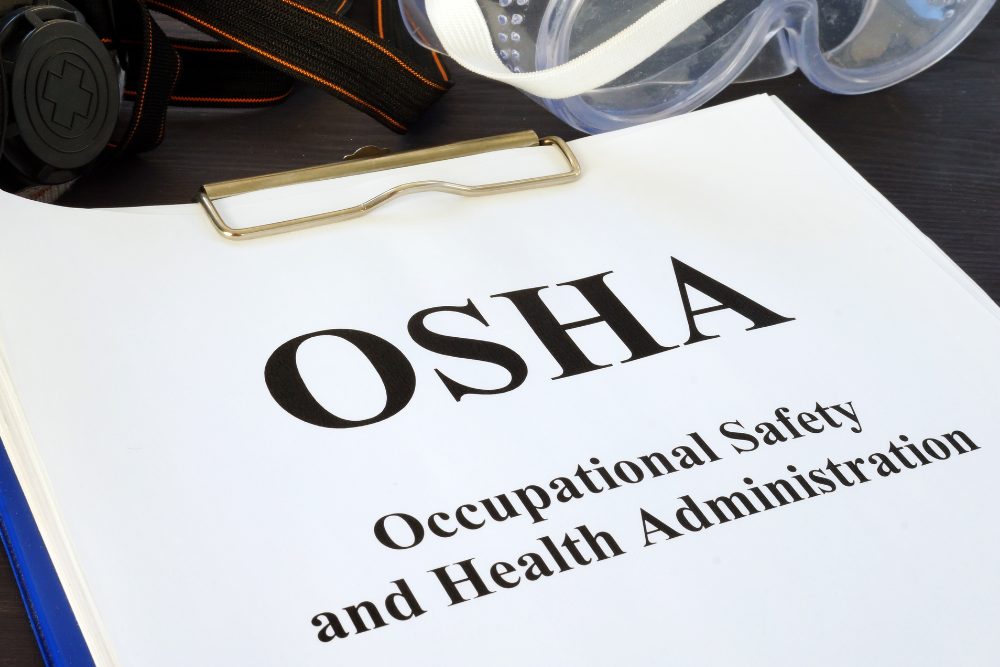
In the United States, several key manufacturing safety legislations specific to the Occupational Safety and Health Act (OSHA) govern the industry. Understanding these laws is the first step towards ensuring compliance and creating a safe working environment.
The Occupational Safety and Health Act was ratified in 1970 with the goal of ensuring safe conditions for working men and women. The act led to the creation of the Occupational Safety and Health Administration (OSHA), an organization responsible for formulating and implementing safety and health regulations in the workplace. In addition to this, OSHA offers guidance, education, and support to both employees and employers.
For the manufacturing industry, OSHA compliance is crucial. The sector is filled with potential hazards, including heavy machinery, hazardous materials, and high noise levels. Compliance with OSHA standards helps to minimize accidents, reduce health risks, and create a safer environment for employees. Non-compliance can lead to hefty fines, lawsuits, and even shutdowns.
OSHA covers a broad range of safety standards for industries, including the manufacturing sector. Here are some of the key OSHA regulations that are relevant to manufacturers and the manufacturing industry:
- General Duty Clause: This clause broadly states that employers are required to keep their workplaces free of serious recognized hazards and must comply with rules, regulations, and orders issued under the act.
- Personal Protective Equipment (PPE): This standard requires employers to provide workers with appropriate PPE when there are certain workplace hazards.
- Hazard Communication Standard: This regulation requires manufacturers to communicate about hazardous chemicals in the workplace. It includes requirements for labelling, safety data sheets, and employee training.
- Lockout/Tagout (LOTO) Standards: This standard applies to the control of energy during service or maintenance of machines and equipment.
- Machine Guarding: This regulation covers the general requirements for all machines to protect the operator and other employees in the machine area from hazards.
- Process Safety Management (PSM) of Highly Hazardous Chemicals: This regulation covers the management of hazards associated with processes using highly hazardous chemicals.
- Occupational Noise Exposure: This standard limits the amount of noise to which employees can be exposed.
- Powered Industrial Trucks: This standard covers safety requirements for forklifts and other powered industrial trucks.
- Respiratory Protection: This standard covers the requirements for respirators when they are necessary to protect employee health.
- Recordkeeping and Reporting Occupational Injuries and Illness: This standard requires employers to record and report work-related fatalities, injuries, and illnesses.
Meeting these Key Safety Legislations with SafetyIQ
Hazard Identification Solution: ensuring you meet the General Duty Clause:
The ability to identify hazards is a crucial aspect of complying with this clause.
Hazard identification is the process of recognizing and understanding the dangers that can cause harm in the workplace. It is a critical first step in the risk management process, which also includes risk assessment, risk control, and monitoring and review.
Here's how hazard identification plays a role in compliance with the General Duty Clause:
- Identify Potential Hazards: This may involve observing work practices and procedures, analyzing task demands, inspecting equipment and machinery, reviewing safety data sheets for hazardous chemicals, and listening to employee concerns or near-miss reports.
- Recognize 'Serious Recognized Hazards': The General Duty Clause specifically mentions "serious recognized hazards". These are hazards that are known in the industry, or that the specific employer should know, which can potentially cause serious harm or death. This could include things like falls from height, exposure to toxic chemicals, or risk of machinery accidents.
- Risk Assessment: Once potential hazards are identified, a risk assessment should be conducted to understand the severity of the hazard and the likelihood that it will cause harm. The assessment should consider all workers who may be affected by the hazard, including employees, contractors, and others.
- Implement and Maintain Safety Measures: Once risks are identified and assessed, employers must implement appropriate safety measures to control these hazards. This can include engineering controls (like machine guards), administrative controls (like safety protocols), or personal protective equipment.
Safety Observations Ensuring workers consistently use PPE in line with the Personal Protective Equipment (PPE) Legislation:
PPE is especially important in the Manufacturing Industry, hence the specific legislation behind it. But, unless worn correctly and every time, the benefits cease to exist. With our Safety Observation’s Module, you can ensure you meet compliance and keep your workforce safe by:
- Regular Checks: Conduct regular checks to observe if workers are wearing the appropriate PPE for their tasks and if the PPE is being used correctly. These checks also provide an opportunity to ensure PPE is in good condition and is not damaged.
- Feedback and Reinforcement: Use safety observations as a chance to give immediate feedback. Commend workers who are using PPE correctly to reinforce good behavior. Likewise, if you observe incorrect use or non-use of PPE, discuss this with the worker to understand their reasons and to reinforce the importance of proper PPE use.
- Training and Education: Observations can reveal gaps in training or misunderstandings about when and why PPE is needed. Use these insights to provide targeted training, helping workers understand the specific risks they face and how PPE protects them.
Tracking Training to ensure you meet the Hazard Communication Standard:
Training tracking software can significantly enhance hazard communication compliance by centralizing training records, automating scheduling and reminders, and providing progress reports. It ensures all employees receive timely, updated training on handling hazardous chemicals, as mandated by OSHA's Hazard Communication Standard. The software can integrate with online training platforms, offering flexibility and adaptability. It can also facilitate testing and certification processes. Thus, the software plays a critical role in maintaining compliance, fostering a safer work environment, and ensuring employees are informed about the hazards and safety procedures associated with the chemicals they handle.
Audits and Inspections - the powerhouse module for General Duty Clause, Lockout/Tagout (LOTO) Standards, Machine Guarding, Powered Industrial Trucks and more:
Our audits and inspections module guarantees that the entire workplace and all equipment used meet regulatory standards.
- Plan and delegate uniform audits and inspections
- Perform on-site evaluations using any device
- Assign corrective actions and track the progress
- Adaptable templates that mirror your current procedures
- Uncover valuable insights that propel enhancements in safety
Fatigue Management Module: Proactive identification of workers struggling with alertness
Occupational Noise Exposure is a standard under OSHA that provides guidance and regulation regarding the level of noise to which workers can be subjected in their working environment.
Exposure to excessive noise in the workplace can contribute to worker fatigue. While the primary health concern with noise exposure is often hearing loss, the secondary effects, including fatigue, should not be overlooked.
Fatigue in this context refers to a state of feeling tired, weary, or lacking energy, which can significantly impact productivity, safety, and overall well-being of employees. Here's how occupational noise exposure is linked to fatigue:
- Disturbance of Concentration: High levels of noise can make it harder for employees to focus on their tasks. Over time, this need for increased concentration can lead to mental fatigue.
- Stress: Noise can be a significant source of stress, and chronic stress is known to cause both mental and physical fatigue. The body's stress response involves the release of hormones like cortisol, which can leave people feeling drained over time.
- Disruption of Communication: Noise can make communication more difficult, which can lead to social isolation and associated emotional fatigue.
- Sleep Disruption: For people working in shifts or in close proximity to noisy work sites, noise exposure can interfere with sleep, leading to sleep deprivation. Lack of good quality sleep is a well-known cause of fatigue.
- Physiological Effects: Some research suggests that noise exposure can lead to increased heart rate, blood pressure, and changes in brain wave patterns, all of which can result in a feeling of fatigue over time.
SafetyIQ's Fatigue Management feature uses a game-like quiz to proactively identify when workers are struggling with alertness. This feature helps ensure adherence to OSHA's noise exposure standards.
The Incident Reporting Module that ensures Recordkeeping and Reporting Occupational Injuries and Illness:
The Incident Reporting Module is a critical feature of many workplace safety and health management systems. It's designed to facilitate the recordkeeping and reporting of work-related incidents, a requirement under OSHA's standards.
Key benefits and features of the Incident Reporting Module include:
- Compliance with OSHA Requirements: The module can generate reports that comply with OSHA's specific format for reporting work-related fatalities, injuries, and illnesses. This ensures all necessary information is captured and reported in line with the standards.
- Streamlined Approach: The module can streamline the reporting process by automatically populating fields from incident data, reducing manual work, and minimizing the risk of transcription errors.
- Customization for Different Stakeholders: Reports can be customized to cater to different audiences, such as insurance providers and company management. Each stakeholder might require specific information in a particular format, and the module can adapt to these needs.
- Support for Investigations: The module can also generate detailed reports for extended investigations, providing comprehensive data that can help identify root causes and prevent future incidents.
- Tracking and Trend Analysis: Beyond individual reporting, the module can track incidents over time and analyze trends, which can inform safety improvement initiatives and risk management strategies.
- Data Security and Accessibility: The module provides secure storage for sensitive data. Reports can be accessed, shared, and stored digitally, which enhances efficiency and record preservation.
- Integration: The module can often be integrated with other systems, like training modules, to link incident data with training records, enhancing overall safety management.
The Incident Reporting Module simplifies the process of compliance with OSHA's recordkeeping and reporting requirements. By automating and standardizing this process, organizations can focus more on using the data to enhance their safety efforts rather than on the task of reporting itself.
Check out our Comprehensive Manufacturing Industry Safety Guide
Moving Forward
As we move forward, it's crucial for manufacturers to not only understand the importance of compliance but to actively prioritize it. Compliance should be seen not as a burden, but as an opportunity—an opportunity to improve safety, boost morale, enhance productivity, and ultimately, drive success.
In this journey towards better compliance, tools like SafetyIQ can play a pivotal role. By leveraging technology, manufacturers can streamline compliance processes, reduce risks, and ensure a safer and healthier work environment for all. So, as you navigate the complexities of compliance in the manufacturing industry, consider how SafetyIQ.com can support you in meeting these challenges head-on.
Remember, in the realm of manufacturing, compliance isn't just about meeting standards—it's about setting them.



See how SafetyIQ helps simplify EHS management and builds a stronger safety culture.

.png)

.png)