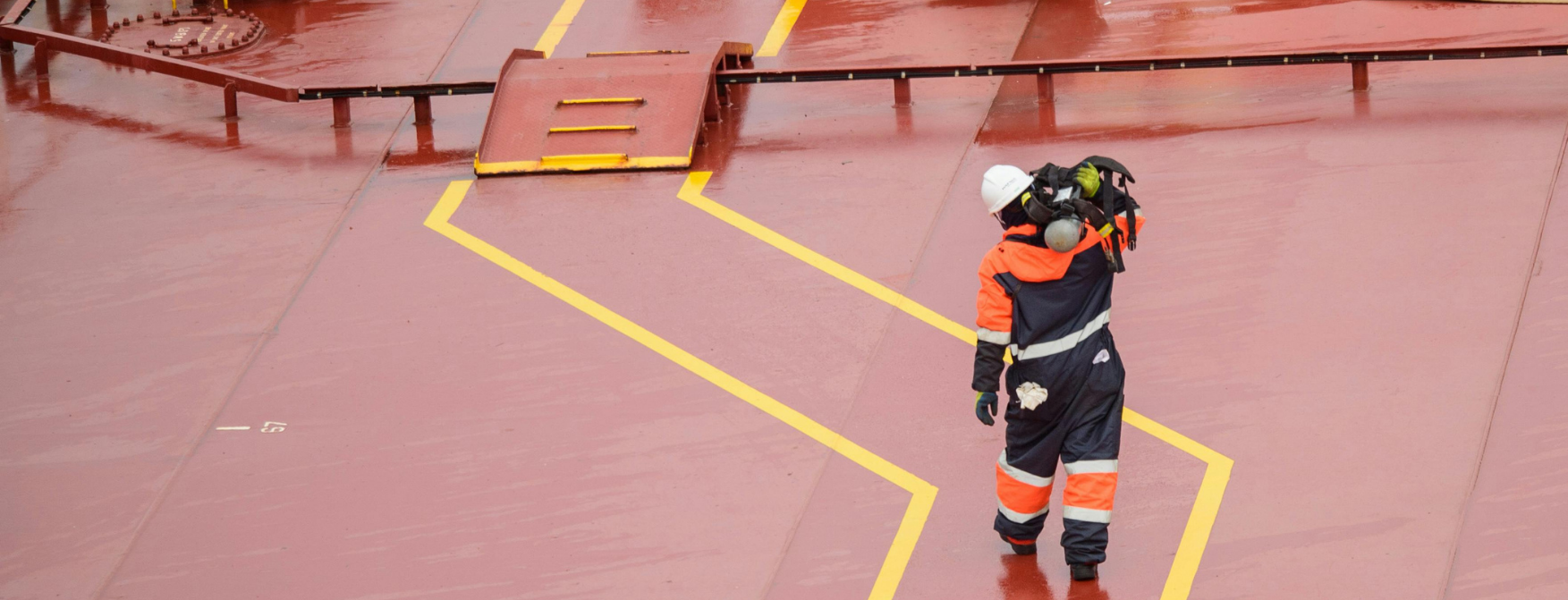
Safety management software for field, mobile and lone workers
Make safety predictable wherever work happens.
SafetyIQ is the field safety platform crews keep using. It captures risk in vehicles, at remote sites and with people working alone, so leaders can step in before an incident.

> Proven in the field
Measured results from teams like yours
Field-heavy operations use SafetyIQ to cut admin, lower incident costs and know every worker made it home.

cost reduction straight away, with higher compliance and safety improvements
less in workers' comp direct costs over two years

of manual journey management removed every month
saved by supervisors each year after eliminating the call-in process
> How SafetyIQ works
Safety that works because people use it
Most safety programs fail in the field, not in the office. SafetyIQ is built around three things that make safety predictable.
> Adoption
A safety software system your team will use
Simple, mobile-first workflows built for non-technical field teams, so reporting becomes part of the job instead of an afterthought.
> Capture
Risk signals from wherever work happens
Journeys, check-ins, hazards, observations and fatigue are captured in vehicles, at remote sites and with lone workers.
> Early warning
Leaders see risk before it becomes an incident
Field signals roll up into leading indicators, so safety leaders can step in early rather than investigate afterward.
> One modular platform
Everything field-heavy teams need, connected
Start with the problem that matters most, then add modules as you grow. Every suite shares the same app, data and dashboards.

EHS Software
Core safety, all in one place
Unify incidents, hazards, audits and inspections in one connected system to streamline compliance, track performance and reduce risk.
- ✓Manage incidents, hazards, audits and inspections
- ✓Route actions and approvals to the right people
- ✓Turn every report into measurable trends

Journey & Lone Worker
Everyone home, every trip
Built for teams on the move. Plan journeys, monitor lone and remote workers, and respond fast when something goes wrong.
- ✓Integrated GPS tracking for workers and vehicles
- ✓Automatic check-ins, alerts and escalation
- ✓Connect remote workers to help instantly

Fatigue Management
Prevent worker fatigue
Track alertness, predict fatigue risk and improve rosters with data, so teams stay safe and productive.
- ✓Check readiness at the start of every shift
- ✓Spot high-risk schedules before they cause errors
- ✓See team trends and step in early
> Built for where work happens
Designed for crews, trusted by safety leaders
For teams whose risk lives outside the office: on mine sites, in truck cabs, on remote rigs and at the end of a long shift.
.png)
For mining, energy, construction, logistics and more
Safety software your crews will love>
Remote sites, underground, between towns
Works offline, syncs the moment you're back in range>
Journeys, lone workers, fatigue and core EHS
One platform, one app, one view of operational risk>

Journey management
Every trip tracked, every driver home>
> Fits your program
Run your whole EHS program, or start where your program falls short
SafetyIQ meets you where you are today, whether you're moving off paper and spreadsheets or replacing an enterprise EHS suite.
Your whole program
Run all of EHS on one platform
Bring incidents, audits, risk, training, documents and field safety onto one platform, with one login, one dataset and one set of dashboards.
Alongside your current program
Start with the gap, then expand
Keep your system of record and roll SafetyIQ out where it falls short, such as frontline reporting, journeys or fatigue, then add modules as you go.


> What customers say
Rated highly by the people who use it every day
I couldn’t be happier with the solution the team at SafetyIQ provided us with. The user interface looks clean and is easy to use, and the technical support from the SafetyIQ team has felt like a partnership from day one.
We have found SafetyIQ to be a functional, practical solution that works well for us.
The transition was one of the easiest undertaken for change management – excellent support from the SafetyIQ team.
> FAQ
Safety management software FAQs
What Is Safety Management Software?
+
Safety management software is a centralized digital platform that helps organizations organize, track, and improve their safety programs. Companies rely on it because manual processes—spreadsheets, paper forms, and emails—make it difficult to stay consistent, respond quickly to risks, or maintain accurate records. A software system brings everything together so teams can log incidents, perform audits and inspections, assign corrective actions, and track training in one place. It also creates standard workflows that reduce human error and strengthen compliance. Most importantly, safety management software gives leaders the data they need to identify trends, predict potential risks, and build a proactive safety culture across the entire organization.
What Should I Look for When Evaluating a Safety Management System in 2026?
+
When evaluating a safety management system, it's important to choose a solution that aligns with how your organization operates today while supporting how you plan to scale in the future. Look for configurable workflows, customizable forms, and reporting tools that let you adapt the system to your processes—not the other way around. It's also valuable to choose a platform that integrates with your existing tools, supports mobile use, and offers offline capabilities for field teams. Strong user experience is another key factor; if workers find the system easy to navigate, they're far more likely to adopt it, which directly impacts the quality of the data you collect. Ultimately, the best safety management system should simplify work, create visibility, and make it easier for teams to collaborate on keeping people safe.
How Can Safety Management Software Improve Incident Prevention?
+
Safety management software improves incident prevention by helping companies detect risks sooner and respond in a more structured, consistent way. Instead of waiting for incidents to occur, the system enables teams to capture hazards, near misses, and observations as they happen—even out in the field. This creates a steady stream of valuable information that leaders can analyze to identify patterns or recurring issues. Automated alerts and built-in workflows ensure that corrective actions are assigned, tracked, and completed on time, preventing small problems from becoming major incidents. Over time, the software builds a comprehensive record of safety activity, making it easier to spot trends, evaluate program performance, and make data-driven decisions that strengthen preventive efforts across the entire organization.
What Are the Benefits of Using a Safety Management System?
+
A safety management system provides efficiency, accuracy, and visibility that manual processes simply can't match. Paper forms and spreadsheets often get lost, delayed, or submitted inconsistently, making it difficult to maintain reliable records or monitor compliance. A digital system automates routine tasks, organizes data in real time, and ensures that every activity—from inspections to training documentation—is tracked and stored securely. This reduces administrative burden, eliminates duplicate work, and improves the flow of information between teams. Leaders gain immediate insight into outstanding corrective actions, safety trends, and overall performance, allowing them to act faster and more confidently. In the long run, using a safety management system supports a stronger safety culture by making safety processes more accessible, transparent, and proactive.
How Does Safety Software Support Regulatory Compliance?
+
Safety software simplifies compliance by helping organizations maintain accurate records, follow standardized procedures, and stay prepared for audits or inspections. The system automatically organizes documents, logs activity timestamps, and ensures that every report, checklist, and training file is stored in a centralized location. This eliminates the scramble of manually pulling records when regulators request documentation. Many platforms also include configurable templates and workflows aligned with industry regulations, helping teams follow consistent steps every time. Automated reminders keep workers on track with required tasks—such as corrective actions, equipment inspections, or certification renewals—reducing the risk of missed deadlines. By providing real-time visibility into compliance gaps, the platform enables leaders to correct issues before they become violations, protecting both employees and the organization.
Is Safety Management Software Easy for Employees to Use?
+
Modern safety management software, like SafetyIQ, is designed with usability in mind so that employees—from frontline workers to supervisors—can quickly adopt it without a steep learning curve. A strong platform provides intuitive navigation, mobile accessibility, and the ability to complete tasks such as reports, inspections, and observations with minimal steps. When software is easy to use, more employees participate in the safety program, which leads to better data, richer insights, and more effective risk prevention. Many systems also offer configurable dashboards and simple guidance that walk users through each process, helping ensure accuracy and consistency. Ultimately, the ease of use of a safety management software solution is one of the most important factors in driving adoption and ensuring that the program works at scale.
How Does Software Help Build a Stronger Safety Culture in 2026?
+
A safety management software system strengthens safety culture by making safety a shared, everyday responsibility rather than an occasional task or a reaction to incidents. When teams have an easy way to report hazards, complete inspections, document training, and track corrective actions, it encourages participation at every level of the organization. Leaders gain visibility into engagement and can reinforce positive behaviors, recognize patterns, and allocate resources where they're needed most. Over time, the system builds transparency and accountability—workers see issues being addressed quickly, feedback loops become shorter, and communication improves. This consistency helps shift the mindset from compliance-driven to prevention-focused. Instead of viewing safety as a checklist, employees begin to see it as an integrated part of their work, ultimately creating a more proactive and resilient safety culture.
See SafetyIQ built around your operation
Tell us where your people work and what keeps you up at night. We'll show you how SafetyIQ fits, in a demo built around your sites, crews and systems.
Request a demoGet a demo built around your sites, your teams, and the way your people work.
EHS, journey, and fatigue management software for field-heavy teams.

.png)

.png)